A new era in Southern African construction & engineering underwriting: innovation, regulation, and change
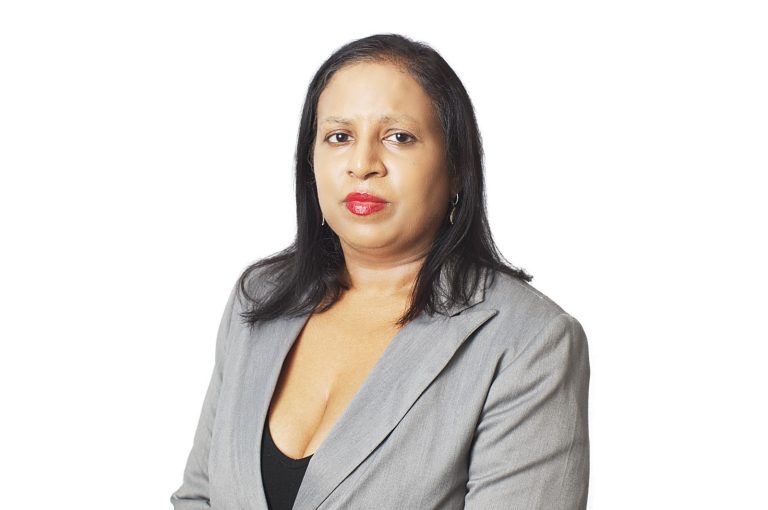
Peter Louwrence, Managing Director, Elevation Technical Underwriters, SA
The construction & engineering insurance (C&E) sector in Southern Africa is going through a major shift. For many years, underwriting in the region was cautious and heavily reliant on past loss data and risk survey assessments. But as we move through 2026, things are changing quickly. A new era is taking shape – driven by rapid technological advances, tighter regulations, and a different way of understanding and pricing risk.
Innovation: moving toward predictive underwriting
One of the clearest signs of this shift is how underwriting itself is evolving. Instead of reacting to risks after the fact, underwriters are now using data to anticipate them.
In Southern Africa, where site conditions can be unpredictable and information is often fragmented, technologies like Internet of Things (IoT) sensors and Building Information Modelling (BIM) are making a real difference. These tools provide real-time insights from construction sites – tracking things like structural stress, equipment performance, and environmental conditions. This allows underwriters to take a far more precise approach. Contractors who adopt smart technologies can benefit from lower premiums and more flexible terms, while higher-risk projects can be priced more accurately. In short, underwriting is becoming more informed, responsive, and tailored.
Regulation: the impact of general conditions of contract (GCC) 2025
At the same time, regulatory changes are reshaping the landscape. A key development is the introduction of GCC 2025 (General Conditions of Contract), which brings over 100 amendments aimed at improving clarity and balancing risk between employers and contractors.
For underwriters, this is a significant shift. The updated framework introduces stricter timelines for claims and requires early warning mechanisms that encourage proactive risk management. There’s also been an important clarification that construction guarantees must be issued by licensed non-life insurers, helping to professionalise the market. As a result, underwriters now need to look beyond financials. A contractor’s ability to meet administrative and regulatory requirements has become just as important as their balance sheet.
Industry transformation: adapting to a changing environment
The broader transformation of the industry is being driven by real-world pressures. Southern Africa’s growing investment in renewable energy – especially solar and wind – has created new types of risk that underwriters need to understand, including those linked to battery storage and evolving technologies. At the same time, climate volatility is becoming harder to ignore. This is where parametric insurance is gaining traction. Instead of relying on lengthy claims processes, payouts are triggered automatically by measurable events like rainfall levels or wind speeds. This means projects can recover faster and continue with minimal disruption, which is critical for infrastructure development.
Conclusion: from insurer to strategic partner
In this new environment, the role of the E&C underwriter is changing. It’s no longer just about issuing policies. Underwriters are becoming active partners in the construction process – helping to manage risk, ensure compliance, and support project success. By embracing new technologies, adapting to regulatory changes, and responding to industry trends, underwriters in Southern Africa are playing a key role in supporting the region’s infrastructure ambitions.