Give to gain: investing in others for lasting impact
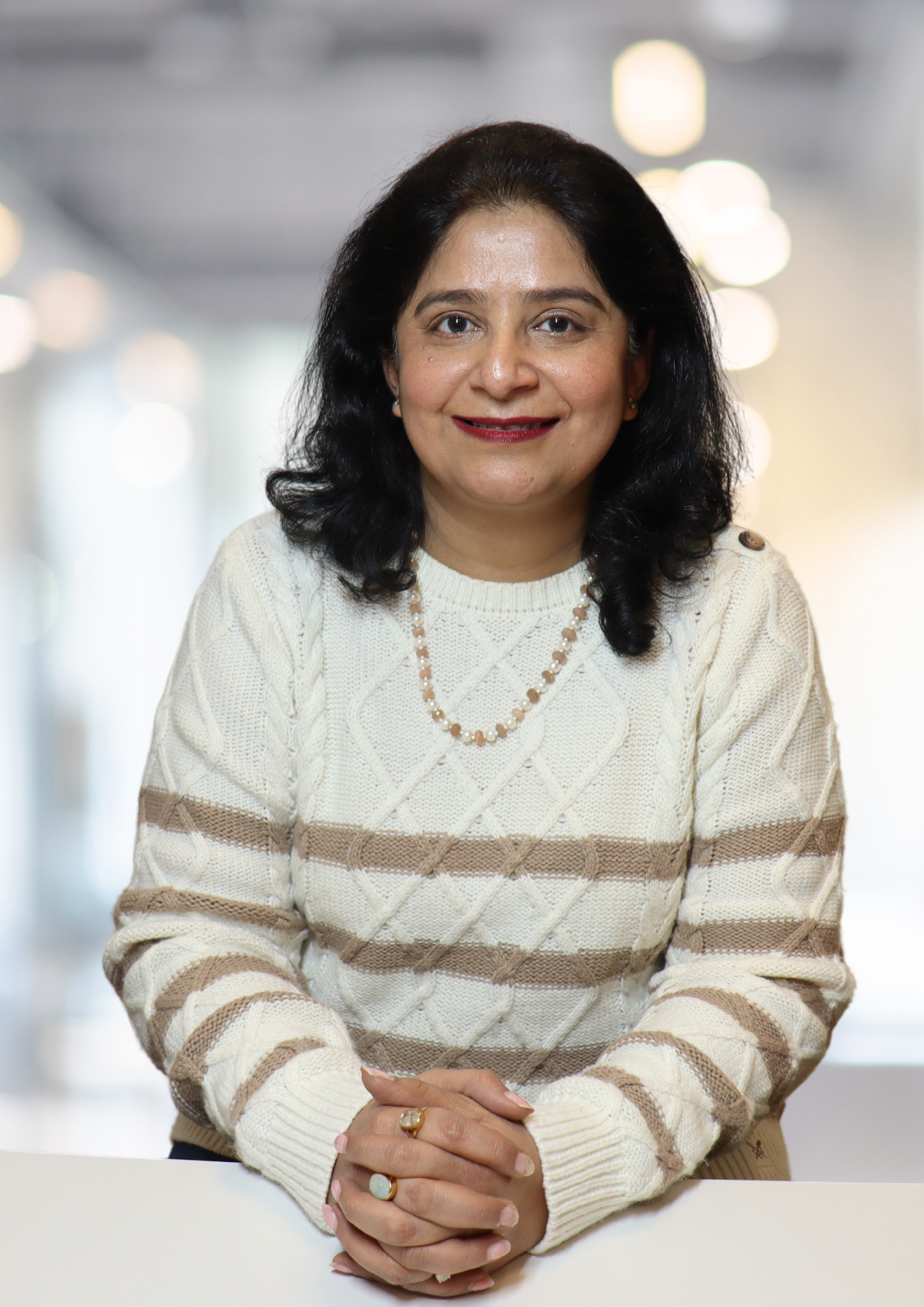
Sucheta Mohan, Director of Professional Services and Product Management, SSP Limited
International Women’s Day provides an opportunity not only to reflect on progress, but also to consider the leadership behaviours that make progress sustainable. For SSP Limited, a global technology provider to the insurance industry, this reflection took shape through the “Give to Gain” campaign. The initiative recognises the value of mentorship, compassion and shared responsibility in shaping careers and strengthening organisations.
Speaking in conversation with Africa Insurance Magazine editor Andrew Chinoperekwei, Sucheta Mohan, Director of Professional Services and Product Management at SSP, described this year’s theme as more than symbolic. For her, it represents a practical leadership philosophy rooted in long-term impact.
“What we invest in others compounds,” she explains. “The leaders who influenced my journey did not rely on grand gestures. They created deliberate opportunities. They said, ‘You’re ready. I’ll support you.’ Those moments can change the trajectory of a career.”
Over time, Sucheta has come to see leadership not as a position of authority, but as a platform for enabling growth. She believes that meaningful progress happens when leaders move beyond personal achievement and begin to shape the environments in which others can succeed. She believes giving to gain is a conscious and consistent practice rather than a once-off act.
For Sucheta, giving to gain means:
- sharing knowledge openly
- sponsoring capable women into stretch roles
- offering honest feedback that sharpens rather than discourages
- making room at decision-making tables
The organisational benefits of this approach are both cultural and strategic. Teams that feel supported and empowered are more willing to innovate, challenge assumptions and contribute ideas that strengthen long-term performance. Sucheta says this is not about women versus men. It is about maximising the full potential of talent within the business. When organisations invest in developing women intentionally, they are not redistributing influence. They are expanding leadership capacity across the enterprise.
Clarity as a catalyst for growth
The African insurance sector is currently experiencing significant transformation. Digital acceleration, artificial intelligence, evolving regulation, climate-related exposures and financial inclusion initiatives are reshaping how insurers operate and compete. In such a demanding environment, Sucheta believes leaders must focus on building what she describes as “clarity zones” – structured environments that allow individuals to perform with confidence and purpose.
These clarity zones are characterised by:
- transparent performance expectations
- objective promotion criteria
- consistent, constructive feedback
- active acknowledgement and management of bias
- flexibility that exists alongside accountability
When professionals do not have to spend energy navigating uncertainty or cultural barriers, they are able to redirect their focus towards innovation, client outcomes and strategic growth.
“This clarity becomes a powerful enabler of productivity and engagement,” Sucheta says. “It allows organisations to move faster, make better decisions and retain high-performing talent.”
She emphasises that clarity zones are not comfort zones. They are high-performance environments grounded in fairness and accountability.
“When fairness is embedded into organisational systems, excellence becomes scalable,” says Sucheta. “This principle is particularly relevant in African markets, where rapid growth, diverse operating conditions and intense competition place pressure on leaders to deliver results while building resilient teams.
Leading with inner clarity
As technological change continues to accelerate, Sucheta believes executives must cultivate an inner compass that anchors them through uncertainty.
“Transformation demands calm confidence,” she says. “In industries like insurance, where representation at senior levels is still evolving, female leaders often operate under heightened visibility. In those moments, inner clarity becomes an anchor.”
She believes leaders must be clear about:
- their values
- their leadership style
- their competence and technical grounding
- their long-term vision
For Sucheta, deep expertise is a powerful source of confidence. Sustainable progress, she argues, depends on capability rather than symbolism.
“In an era defined by technological disruption and evolving customer expectations, leaders must remain committed to continuous development,” she says.
Sucheta encourages emerging and established professionals alike to strengthen their expertise across several critical areas.
She highlights the importance of:
- financial and risk mastery to build credibility and influence
- digital and data fluency in an industry increasingly shaped by AI and insurtech innovation
- strategic foresight to anticipate emerging risks and opportunities
- negotiation and influence as core leadership capabilities
- ecosystem thinking through collaboration and partnerships
- continuous development to remain relevant and effective
“These capabilities enable leaders to contribute meaningfully to organisational strategy while also building the resilience needed to navigate market cycles and regulatory change,” she says.
Sucheta believes that when capable women advance at scale, organisations benefit from richer perspectives, stronger problem-solving capacity and enhanced innovation. Representation, in this context, becomes a natural outcome of purposeful leadership rather than an isolated objective.
A message for the next generation
Sucheta’s advice to young professionals is grounded in realism and long-term thinking.
“Leadership is not about proving a point or seeking early visibility,” she says. “It is about creating value that endures. Developing depth of expertise, understanding the fundamentals of the business and building credibility through consistent performance should take priority over rapid recognition.”
She encourages emerging leaders to approach their careers with patience and intention.
“Shortcuts may create temporary momentum, but sustained influence is built on knowledge, resilience and integrity,” she says. “By focusing on excellence and continuous learning, professionals can position themselves to lead with confidence when opportunities arise.”
Her closing reflection returns to the central philosophy of the Give to Gain campaign.
“When you rise, bring others with you. Not because it is fashionable, but because sustainable industries are built collectively. If we give intentionally, we gain collectively.”